By Dr Ryizan Nizar MD, MRCP UK (Diabetes and Endocrinology), CCT
Last updated 9 June 2026
What to Track While Taking Ozempic or Mounjaro
Taking Ozempic or Mounjaro? Learn what to track each week, including weight, blood sugar, appetite, side effects, meals, and progress trends.
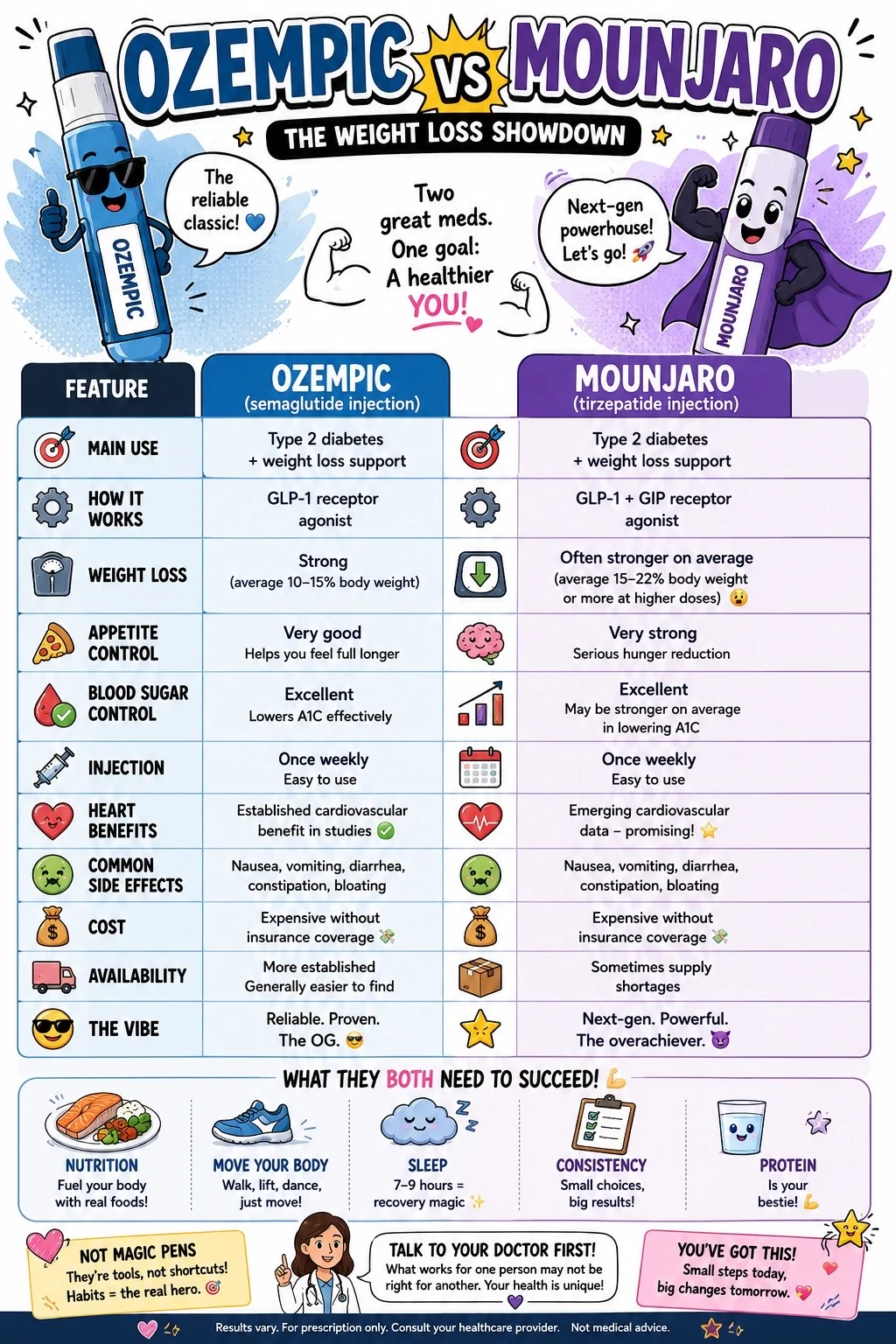
If you are taking Ozempic or Mounjaro, the scale is only one part of the picture.
What matters more is whether the medication is improving your blood sugar, appetite, eating pattern, weight trend, and day-to-day routine in a way you can sustain.
Tracking the right things makes it easier to spot progress early and bring useful information to your next appointment.
Start with the metrics that actually change decisions
You do not need to track everything.
For most people, these are the most useful things to monitor:
1. Weight trend
Look at the trend over several weeks, not daily changes.
Your weight can shift because of:
- water retention
- constipation
- menstrual cycles
- salt intake
- activity changes
A flat week does not always mean the medication is not working.
The longer-term direction usually matters more.
2. Blood sugar
If you have type 2 diabetes, blood sugar patterns are one of the most important things to follow.
Track the readings your clinician has asked you to monitor, such as fasting glucose or readings around meals.
Blood sugar may improve before major weight loss becomes obvious.
3. HbA1c
HbA1c gives a longer-term view of glucose control.
While daily readings show what is happening now, HbA1c helps show whether the overall pattern is improving over time.
Tracking both can give a clearer picture.
4. Appetite and fullness
Changes in appetite are often noticed early.
Useful things to monitor include:
- feeling full sooner
- smaller portion sizes
- reduced snacking
- changes in cravings or food choices
5. Meals and nutrition
Eating less does not always mean eating better.
When appetite drops significantly, it can become easier to:
- skip meals
- eat too little protein
- miss important nutrients
- rely on very small snacks instead of balanced meals
Tracking meals can help you understand calories, protein, carbohydrates, and overall nutrition patterns.
6. Side effects
Common side effects may include:
- nausea
- constipation
- diarrhea
- reflux
- vomiting
It helps to note when symptoms happen, whether they appeared after a dose increase, and whether certain foods make them worse.
7. Activity and routine
Ozempic and Mounjaro can help with appetite and glucose control, but daily habits still matter.
Useful things to monitor include:
- walking
- exercise routines
- active energy
- sleep patterns
- changes in energy levels
These can help explain why progress may feel different from week to week.
What improvement often looks like early on
Many people expect progress to only show as weight loss.
But early improvements can include:
- smaller portions without feeling deprived
- feeling full sooner
- fewer cravings
- lower fasting glucose
- improved glucose patterns
- better HbA1c trends over time
If you only watch the scale, you may miss other signs of progress.
Ozempic and Mounjaro are similar, but not identical
Ozempic contains semaglutide.
Mounjaro contains tirzepatide.
Both are weekly injections used in type 2 diabetes care, and both can improve blood sugar and reduce appetite.
Mounjaro often has a stronger appetite and weight effect for some people on average, but that does not automatically make it the best choice for everyone.
Real-world factors matter:
- side effects
- dose tolerance
- availability
- cost
- treatment goals
- ability to continue long term
A simple way to track without overthinking it
The easiest approach is to keep one consistent record and review the pattern.
Useful things to follow include:
- weight
- blood glucose
- HbA1c
- meals
- appetite changes
- side effects
- activity
- medication routines
A trend over weeks usually tells you more than one day.
How DiabetesConnect can help
DiabetesConnect helps you keep your diabetes and weight-related information together while using treatments like Ozempic or Mounjaro.
You can track:
- blood glucose readings
- HbA1c results
- weight changes
- BMI
- meals using the AI Meal Analyzer or manual logging
- calories and macronutrients
- daily nutrition totals
- medication records and reminders
- blood pressure
- activity and active energy
- health trends and graphs
Having these records in one place makes it easier to see whether treatment is improving your overall pattern, not just the number on the scale.
Doctor note
Results vary more than many people expect.
Two people can take the same type of medication and have very different experiences.
One person may lose weight steadily. Another may notice blood sugar improvement before major weight change. Another may need a slower dose increase because of side effects.
That variation is common.
The goal is not just weight loss. The goal is finding a treatment plan that improves health markers while remaining sustainable.
Takeaway
If you are taking Ozempic or Mounjaro, track more than body weight.
The most useful markers are:
- weight trend
- blood sugar
- HbA1c
- appetite
- meal patterns
- side effects
- activity and routine
Those patterns give a much clearer view of progress than the scale alone.
Important reminder
This article is educational only and is not medical advice. Medication decisions, dose changes, and treatment goals should always be discussed with your own clinician.
Part of guide
Diabetes Medicines Guide
Explore articles on metformin, GLP-1 medicines, sulfonylureas, dosing questions, and what to monitor while treatment changes.
Open topic hubMake the next step easier
Keep the useful bits from this guide in one place.
Track meals, blood sugar, weight, and diabetes trends together so your notes are easier to understand at the next appointment.